ENVX1002 Introduction to Statistical Methods
The University of Sydney
May 2025
Never leave a number all by itself. Never believe that one number on its own can be meaningful. If you are offered one number, always ask for at least one more. Something to compare it with.
– Hans Rosling (1948-2017)
All of science (and industry) are increasingly data-driven and computational:
Most of you are majoring in a field that will require you to understand and use statistics in some form.
Even if you don’t become a data scientist, statistics will help you to:
In your own time: The best stats you’ve ever seen
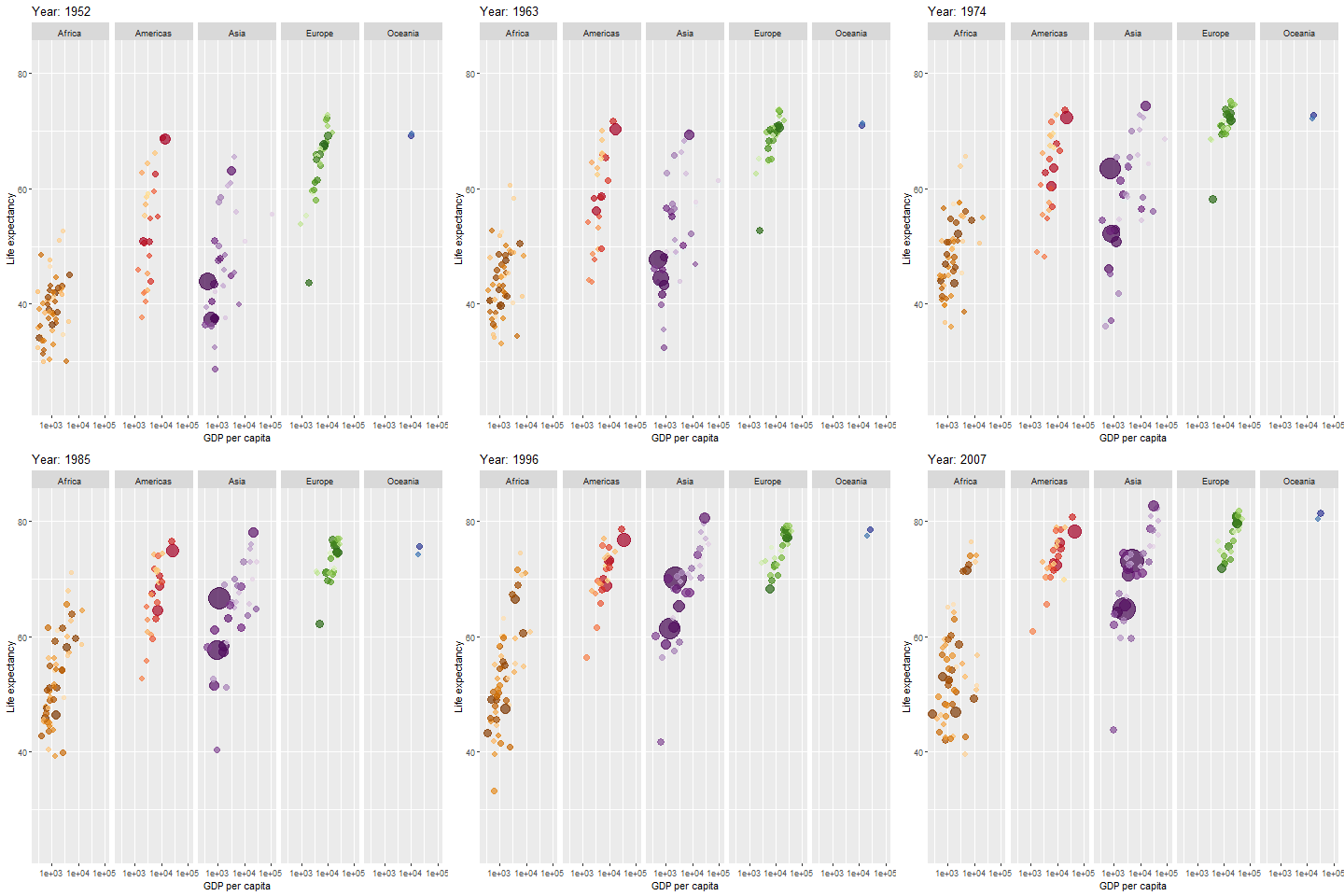
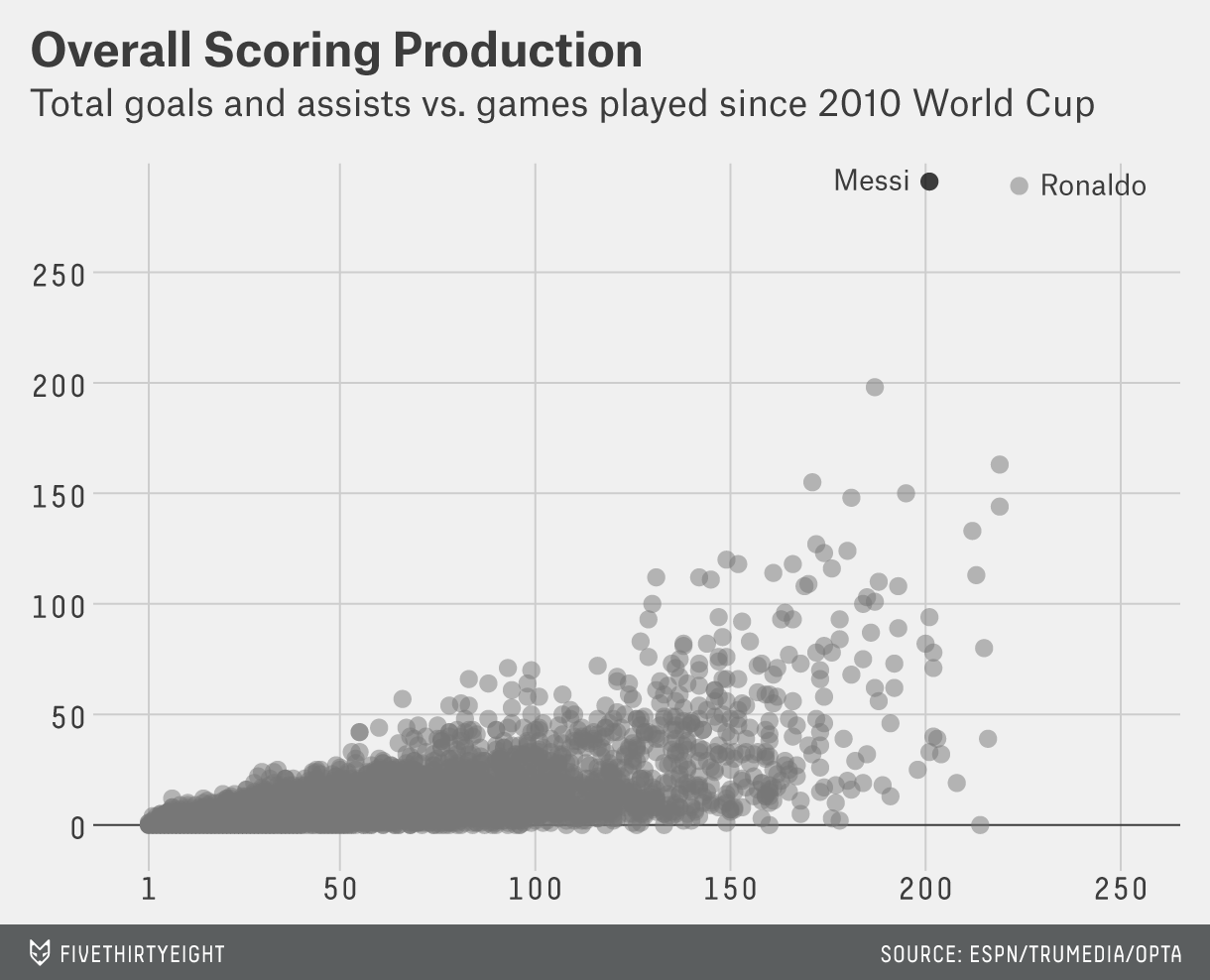
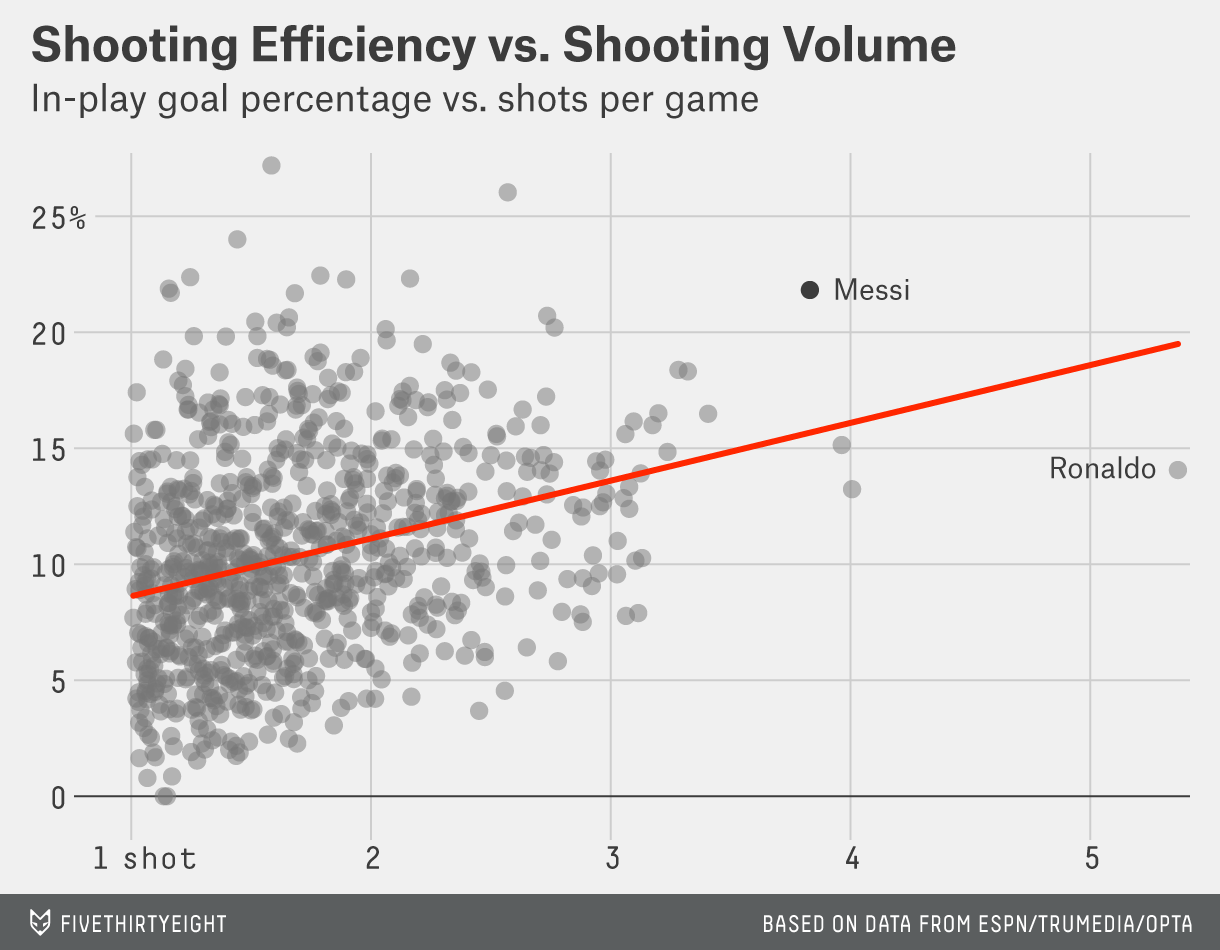
It’s not possible to shoot more efficiently from outside the penalty area than many players shoot inside it. It’s not possible to lead the world in weak-kick goals and long-range goals. It’s not possible to score on unassisted plays as well as the best players in the world score on assisted ones. It’s not possible to lead the world’s forwards both in taking on defenders and in dishing the ball to others. And it’s certainly not possible to do most of these things by insanely wide margins.
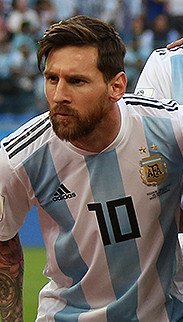
But Messi does all of this and more.
Messi playing for Argentina
Image credit: Кирилл Венедиктов, CC BY-SA 3.0 GFDL, via Wikimedia Commons
Source: fivethirtyeight
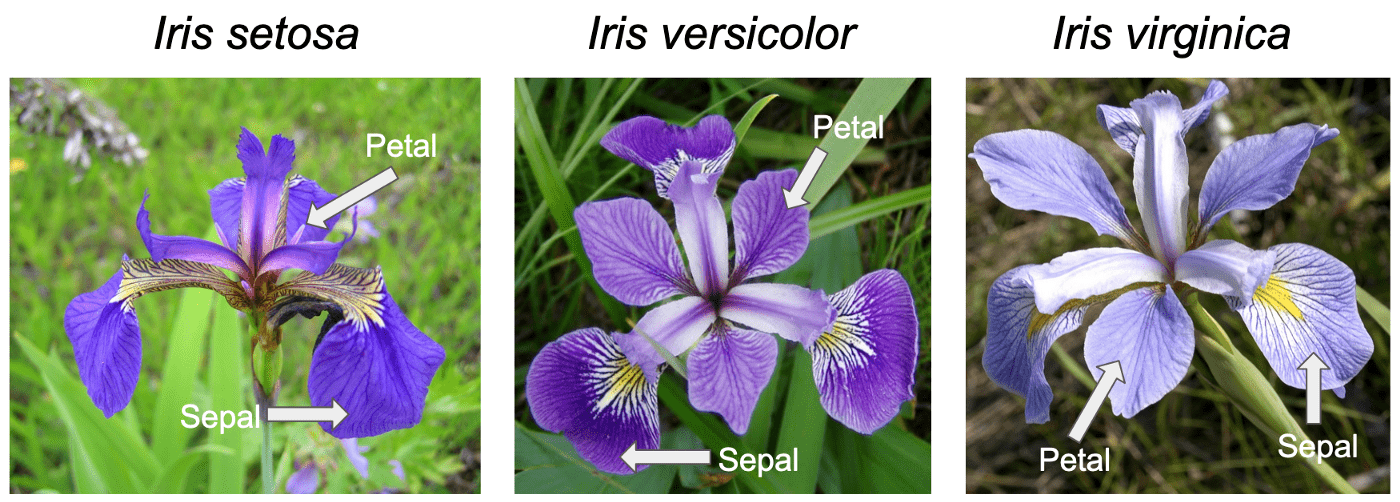
Source: Embedded Robotics
Note: common dataset used in statistics and machine learning.
We use formal statistical tests to determine if differences are statistically significant so that we can make inferences about the population based on the sample data – part of the scientific method.
| Effect | DFn | DFd | F | p | p<.05 | ges |
|---|---|---|---|---|---|---|
| Species | 2 | 147 | 119.265 | 1.67e-31 | * | 0.619 |
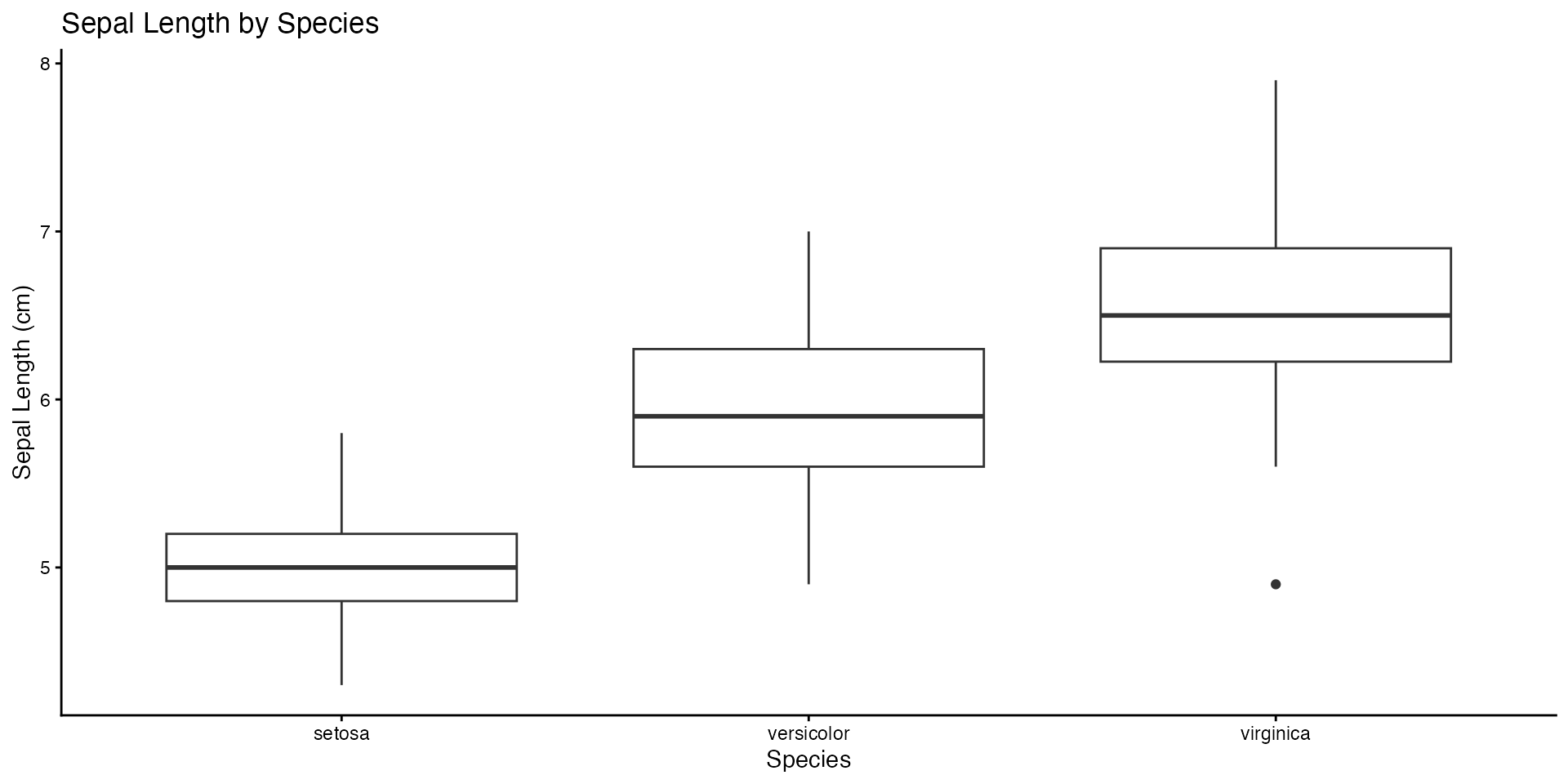
A one-way ANOVA revealed significant differences in sepal length between species (ANOVA, F(2, 147) = 119.26, p < .001).
The beauty of statistics – formal hypothesis testing is not always required to make a point!
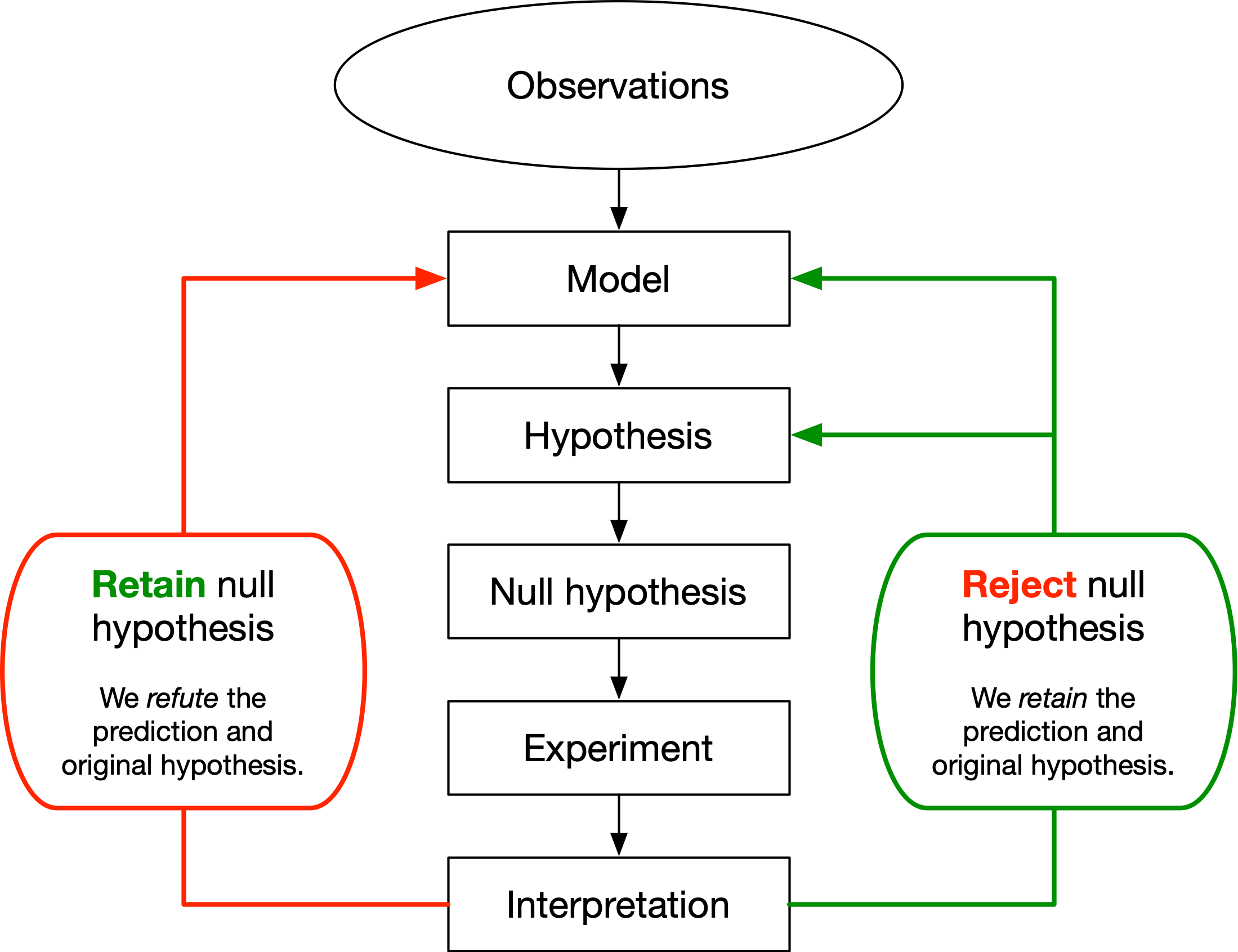
The man of science has learned to believe in justification, not by faith, but by verification.
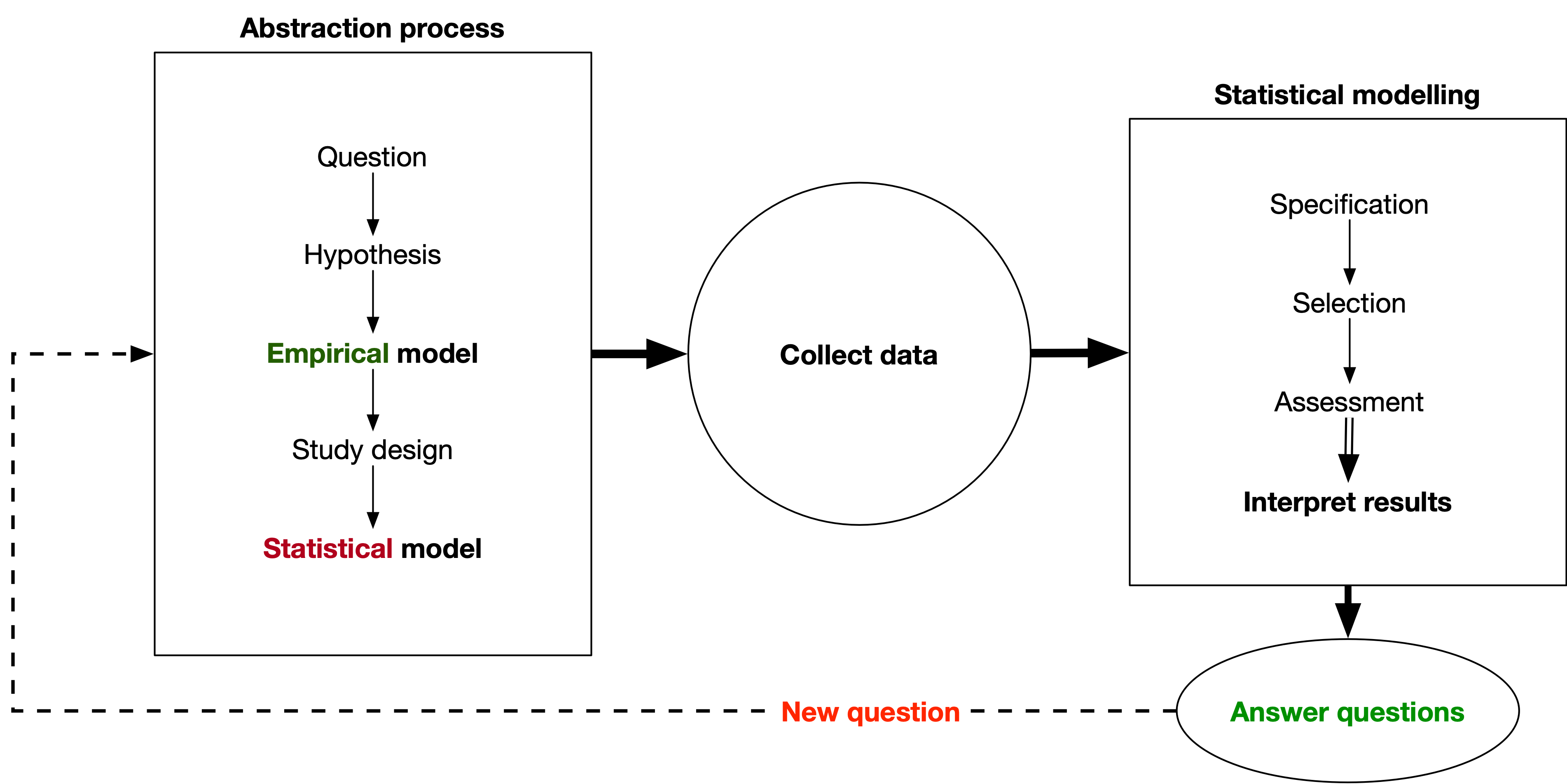
The logical framework by Underwood (1997)
Variation of the scientific method exist– it is a framework that guides the process of scientific inquiry
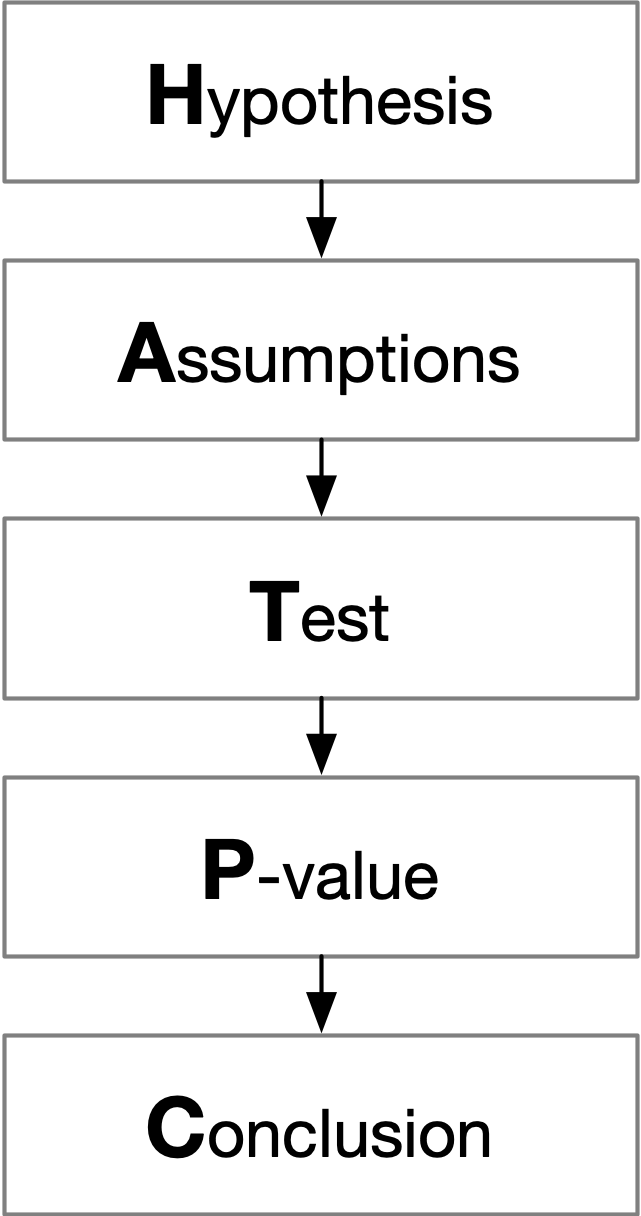
Hypothesis – Assumptions – Test statistic – P-value – Conclusion
You will see some variation of the HATPC in your first-year units – a common framework for report writing
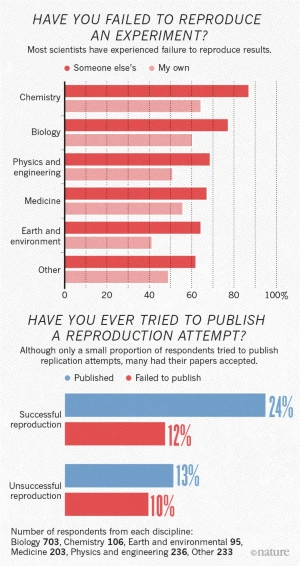
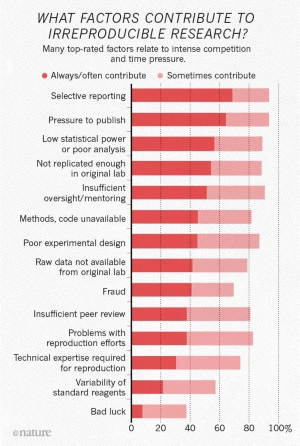
From Nature (including image sources):
More than 70% of researchers have tried and failed to reproduce another scientist’s experiments, and more than half have failed to reproduce their own experiments.
Statistical analysis, experimental design and data issues are the main factors affecting research reproducibility.
Scientific findings should be both reproducible and replicable – the tools that we use should facilitate this in the most efficient way possible.
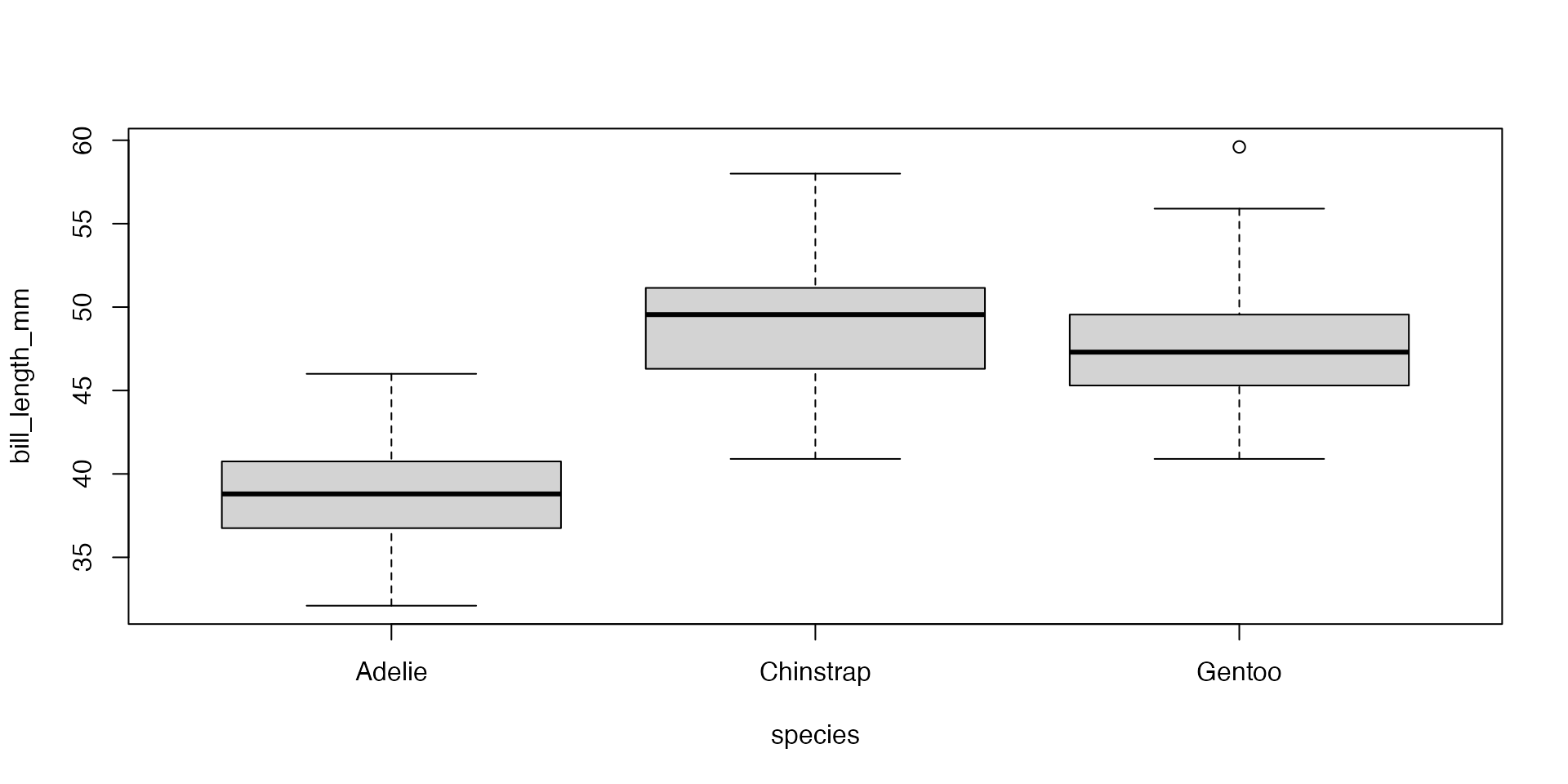
How would you explain to someone how to reproduce this plot…
Those without programming knowledge will still struggle to understand and use the two lines of R code shown above.
This presentation is based on the SOLES Quarto reveal.js template and is licensed under a Creative Commons Attribution 4.0 International License.